
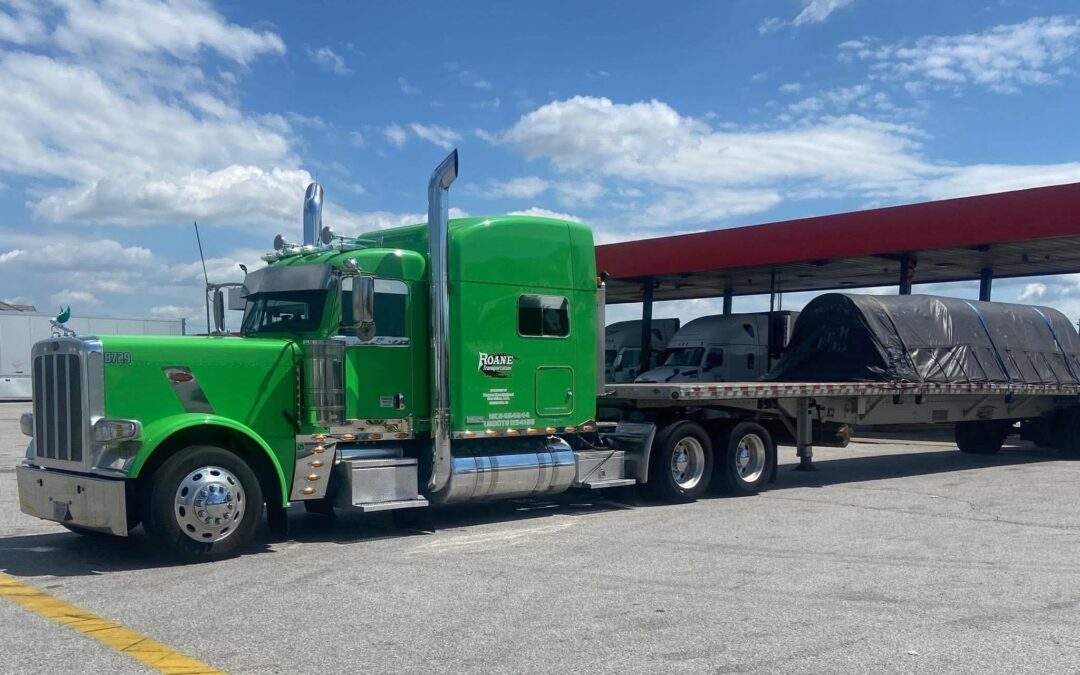
Shipping costs can add up quickly, especially if your business regularly sends smaller shipments to multiple destinations. Instead of paying to move partially filled trucks, you may be able to improve efficiency through freight consolidation. Combining compatible shipments can help your company make better use of transportation capacity while simplifying logistics processes. Whether you’re shipping products from a warehouse, coordinating deliveries to multiple customers, or looking for ways to create a more efficient supply chain, understanding freight consolidation can help you make the best transportation decisions.
What Is Freight Consolidation?
Freight consolidation is the process of combining multiple smaller shipments into one larger shipment for transportation. Rather than moving several partially filled loads separately, compatible freight can be grouped together for more efficient transportation before being separated for the next stage of its journey.
Does your business have several smaller shipments headed in the same general direction? Instead of arranging separate shipping for each load, you can consolidate them into one larger load. This allows for more efficient use of available truck space and transportation resources.
How Does Consolidated Shipping Work?
While every supply chain is different, the freight consolidation process generally follows a few basic steps:
- Shipments are collected. Smaller, compatible shipments are received from one or more shippers.
- Freight is organized and consolidated. Shipments with compatible destinations, schedules, and transportation requirements are combined.
- The consolidated freight is transported. The larger shipment moves efficiently through the transportation network.
- Freight is separated when necessary. At the appropriate point, individual shipments may be unloaded, sorted, and transferred for final delivery.
The goal is to reduce unnecessary trips and make better use of available transportation capacity. For businesses with changing shipping volumes or complex transportation needs, the planning behind freight consolidation can be just as important as transportation itself.
How Can Freight Consolidation Reduce Shipping Costs?
One of the biggest advantages of consolidated freight is improved efficiency. Transportation expenses are not just based on the amount of product being shipped. Other important factors include equipment, labor, fuel, scheduling, and capacity. By combining smaller shipments, your business may be able to reduce some of the inefficiencies and shipping costs that come from moving multiple partially filled loads.
Better Use of Truck Capacity
A truck moving with unused capacity represents an opportunity for greater efficiency. Freight consolidation helps businesses use available space more effectively by combining compatible shipments. Instead of paying for multiple transportation movements that may not fully utilize available space and equipment, consolidated freight can help maximize the capacity of each shipment.
Fewer Separate Shipments
When several smaller shipments can be combined, businesses may reduce the number of individual transportation movements required. Fewer separate shipments can reduce shipping costs as well as simplify planning and coordination, especially for companies that regularly move products to similar regions or customers.
Reduced Handling and Administrative Complexity
Managing multiple shipments means coordinating more schedules, pickup times, paperwork, and communication. Consolidated shipping can help streamline the process by minimizing the number of separate loads that need to be arranged. Working with an experienced transportation and logistics provider can further simplify communication and coordination.
At Roane Transportation, we offer flatbed transportation, warehousing, and logistics services designed to help your business manage every part of your supply chain through a single provider.
Freight Consolidation vs. FTL and LTL Shipping
Freight consolidation is not a replacement for every shipping method. The right transportation solution depends on what you are shipping and how frequently you ship.
FTL Shipping
Full Truck Load (FTL) shipping may be the right choice when one shipment fills most or all of the trailer, requires dedicated equipment, or has specific delivery requirements.
LTL Shipping
Less Than Truck Load, or LTL shipping, is designed for freight that does not require an entire trailer. Multiple shipments may share available trailer space, allowing shippers to pay for the portion of the capacity they need.
Freight Consolidation
Freight consolidation focuses on strategically combining smaller shipments to improve transportation efficiency. Depending on the logistics network and shipping requirements, consolidation may involve FTL or LTL shipping, warehousing, cross-docking, or other supply chain services.
The best approach depends on your freight, destinations, volume, timing, and budget. At Roane Transportation, we can provide several types of shipping—including FTL, LTL, and consolidated freight—as part of our transportation and logistics services. We can also offer warehousing and cross-docking services to help you move freight efficiently through your supply chain.
When Does Freight Consolidation Make Sense?
Freight consolidation may be worth considering if your business:
- Regularly ships smaller loads
- Sends multiple shipments to similar geographic areas
- Has freight that does not require a dedicated truck
- Wants to improve supply chain efficiency
- Is looking for ways to simplify shipping coordination
- Has fluctuating shipping volumes
- Uses warehousing or distribution facilities as part of its supply chain
Businesses that need both storage and transportation may benefit from working with a provider that can coordinate multiple parts of the logistics process. At Roane Transportation, we have our own fleet of flatbed trucks for reliable transportation, and we also offer integrated logistics support and secure storage at our warehousing facilities in East Tennessee and West Texas.
The Role of Warehousing and Cross-Docking in Freight Consolidation
Freight consolidation can become even more efficient when warehousing and transportation services work together. A warehouse provides a location where freight can be stored, organized, and prepared for transportation. This can make it easier to coordinate shipments and consolidate compatible loads when appropriate.
Cross-docking may also play a role in your logistics strategy. Freight is unloaded from an inbound truck, sorted, and then transferred to an outbound truck rather than staying in long-term storage. This can help reduce downtime and keep freight moving.
By combining transportation with warehousing and logistics management, businesses can create a more coordinated approach to moving goods through their supply chains. Roane Logistics offers third-party logistics services to help connect shippers with flexible transportation and supply chain solutions.
How to Determine Whether Freight Consolidation Is Right for Your Business
Before implementing a freight consolidation strategy, consider asking:
- How frequently do we ship?
- Are we regularly moving partially filled loads?
- Do multiple shipments travel to similar destinations?
- How flexible are our delivery schedules?
- Does our freight require specialized equipment or handling?
- Could warehousing or cross-docking improve our shipping process?
- Are we working with multiple providers that could be consolidated into a more streamlined logistics solution?
These answers can help determine whether consolidated shipping is a practical option or whether other transportation solutions would better fit your business.
Simplify Your Logistics Strategy with Roane Transportation
Finding the right shipping strategy is about more than simply choosing the lowest rate. An efficient logistics plan should consider your freight, delivery requirements, capacity, storage needs, and long-term supply chain goals.
Roane Transportation provides flatbed trucking, warehousing, and logistics services to help your business manage freight from pickup through delivery. With our own fleet of flatbed trucks, storage facilities, and third-party logistics solutions, we can help you explore the best transportation strategies to improve supply chain efficiency and reduce costs. Reach out to us today to discuss your freight needs!